
Blue Abadi Fund – BAF Cycle 5 partners implement various capacity-building and outreach activities targeting conservation area practitioners, resource users, and other stakeholders. Specifically for environmental education, the Blue Abadi Fund employs two approaches: formal education through local content curricula at the Elementary (SD), Junior High (SMP), and Senior High (SMA) levels, and non-formal education designed to reach a broader range of beneficiaries.
Training on Marine Conservation Capacity Development and Resource Management
The Bumi Papua Lestari Foundation (YBPL) facilitated a Marine Class specifically for 20 Indigenous Women in West Yensawai Village. Resource persons for this class included Conservation International (YKCI/KI), BLUD UPTD KKP Raja Ampat, and indigenous community leaders, including GC member and Chair of the Local Representative Committee (LRC) for BAF, Mrs. Frida Kelasin (Photo 1). The materials presented covered: Fundamentals of Conservation Area Management, Marine Conservation Area Management in Raja Ampat, Sasi (traditional conservation) Areas and their Management, and the Role of Indigenous Communities—specifically Indigenous Women—in Sustainable Natural Resource Management.
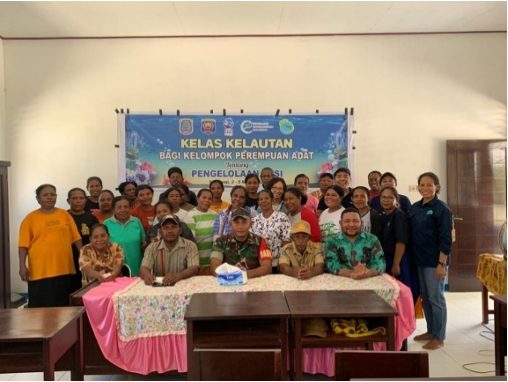
Photo 1. Marine Class for the Indigenous Women’s Group in West Yensawai Village, Dampier Strait.
In an effort to strengthen the participation of indigenous women in marine resource management based on local wisdom, the Yenbeser Village Women's Sasi Group was formed. This initiative serves as a form of support for the active role of women in maintaining and preserving the practice of Sasi Laut (marine sasi) as a customary-based management system long implemented in the Raja Ampat region (Photo 2). In this process, women were given the space to voice their aspirations, form an organizational structure, and establish a vision and initial work plan.
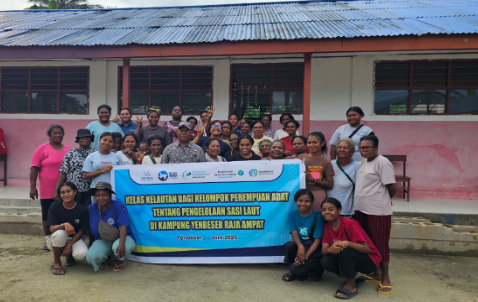
Photo 2. Marine Class for the Indigenous Women’s Group in Yenbeser Village, Raja Ampat.
Coral Reef, Fish, and Marine Ecology Training and Certification
Training and certification were provided to 16 coastal women from Arborek Village, Yenbeser Village, and Yenbekwan Village. The training materials included: Marine Ecology and Monitoring delivered by LPPM-UNIPA, Fish and Coral Identification delivered by BLUD UPTD Raja Ampat, and Coral Transplantation using the MARS method delivered by MORA. This training has strengthened the role of women as conservation agents, giving birth to the “Women Manta Rangers” who are expected to become a new driving force for marine conservation in Raja Ampat (Photo 3).

Photo 3. Coral Reef, Fish, and Marine Ecology Training and Certification for the "Women Manta Rangers" Group.
Environmental education programs in the Bird's Head Seascape (BHS) region aim to prepare the next generation to take on important responsibilities in managing natural resources. This education is implemented formally in schools ranging from Elementary (SD) to Junior High (SMP) and Senior High (SMA) levels. Additionally, informal environmental education is conducted in villages located within or around conservation areas.
Environmental Education at the Elementary Level
The Education and Outreach Team of LPPM UNIPA actively conducts teaching activities in formal schools. This activity supports the improvement of basic education quality in assisted areas and bridges student learning needs that have not been fully met, particularly regarding environmental education. Environmental Education was implemented in 3 Elementary Schools: SD YPK Lachai-Roy Saubeba, SD Negeri 1 Warmandi, and SD Inpres 36 Wau, located in Wau-Weyaf Village.
Environmental Education (PLH) was provided to 97 students from Grades 1 to 6. The material presented related to turtle conservation efforts in the Tambrauw MPA (Photo 4).
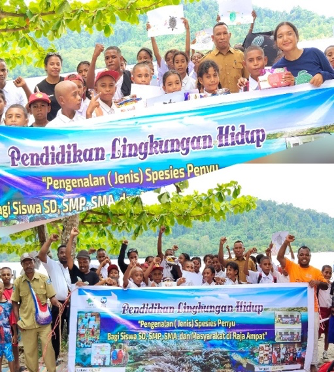
Photo 4. Environmental Education themed “Turtle Conservation” in the Tambrauw MPA.
Environmental Education at the Junior High Level
Environmental Education was implemented in 3 Junior High Schools: SMP Negeri 25 Raja Ampat (Magei Village), SMP Negeri 4 Raja Ampat (Fafanlap Village), and MTs Darussalam Raja Ampat (Lilinta Village). During the January–June 2025 period, 24 sessions were conducted for 161 students. The materials covered: Conservation (Protection), Ecosystems, Coral Reefs, Marine Biota, and Marine Ecology.
Environmental Education at the Senior High Level
Environmental Education was implemented in 3 Senior High Schools: SMA Negeri 4 Raja Ampat (Lilinta Village), SMAS GUPPI Raja Ampat (Fafanlap Village), and SMA 1 Raja Ampat. During the January–June 2025 period, 24 sessions were conducted for 161 students. The materials covered: Conservation (Protection), Ecosystems, Coral Reefs, Marine Biota, and Marine Ecology (Photo 5).

Photo 5. Environmental Education (PLH) at SMA 1 Raja Ampat.
Informal environmental education in the BHS targets pre-school children or school dropouts and adolescents living in coastal areas.
Environmental Education in Friwen Village
he MORA Education Team introduced children in Friwen Village to the importance of preserving marine ecosystems and food chains. This education is expected to foster early awareness regarding the vital role of every organism in maintaining the balance of the marine ecosystem (Photo 6).
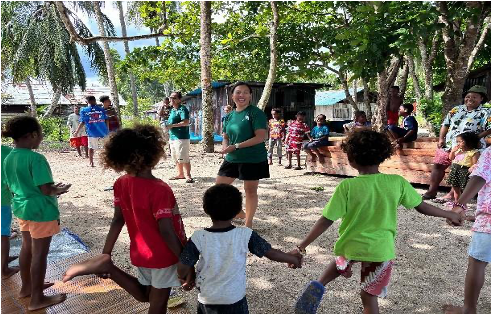
Photo 6. Environmental Education in Friwen Village, Raja Ampat Regency.
Community Level Outreach
Conservation outreach programs in the Bird's Head Seascape (BHS) aim to encourage community engagement in conservation and the management of conservation areas. In practice, outreach is carried out through socialization or informal activities, including utilizing religious events.
Conservation Outreach Activities Implemented, Reading of the Sermon Text "The Dangers of Waste for Coastal Areas and the Church Environment" in 3 churches (Santa Monika Parish/Station, Santo Ambrosius Krooy Parish/Station, and Santo Martinus Parish/Station), Kaimana Regency. This outreach was facilitated by the Santa Monika Catholic Youth (OMK), a Catholic church youth organization in Kaimana Regency (Photo 7).
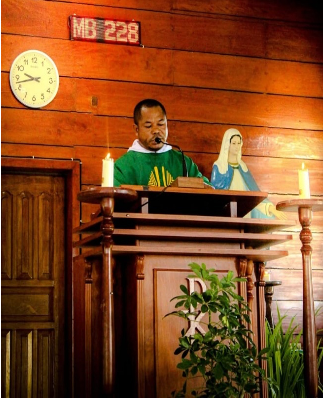
Photo 7. Conservation Outreach during Mass at Santo Martinus Parish Church, Kaimana Regency.
Gathering Indigenous Community Aspirations at the Southwest Papua Provincial Level
The gathering of indigenous community aspirations was conducted through a Symposium themed “The Existence of Indigenous Peoples in the Vortex of Politics, Modern Law, and Natural Resource Utilization Without Sustainability Principles,” held on February 18, 2025, in Sorong. The Symposium was attended by 153 participants, representing the Papuan People's Assembly (MRP), the Southwest Papua Indigenous Community Institution, the Doberay Region III Papuan Customary Council, the Southwest Papua Cross-Tribe Forum, the Southwest Papua Agriculture, Food, Marine and Fisheries Agency (P2KP), government institutions, educational institutions, NGOs, religious organizations, youth organizations, and other stakeholders (Photo 8).
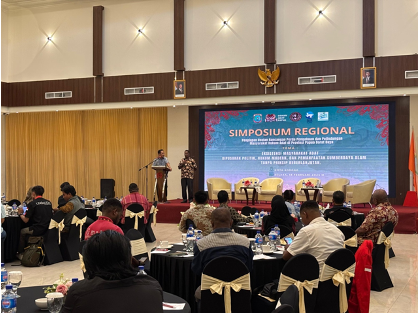
Photo 8. Head of the Moi Tribe, Sorong Regency (Mr. Usili) at the Gathering of Indigenous Community Aspirations at the Southwest Papua Provincial Level.
